- Apr 13
When most companies think about planning a retreat, they start with the obvious questions. Where should we go? How many rooms do we need? What activities should we book? What will it cost?
Those questions matter, but they are not where the best retreats begin.
When we started thinking about bringing the CodeConda team together in person, we were not just trying to organize a trip. We wanted to create something that would help the team reconnect, reset, and come back with more clarity, energy, and trust. That meant we needed more than logistics. We needed real company retreat planning with intention behind it.
That is what led us to Studio Jac, a company retreat and brand experience studio focused on designing offsites, retreats, and immersive experiences that feel like a natural extension of the company itself. What stood out immediately was that Studio Jac does not approach this work like a traditional travel planner or concierge. Their whole point of view is that experiences should be designed with purpose, not assembled from a checklist.
For our retreat, that difference mattered.
Why we chose Tulum for our company retreat
The retreat took place in Tulum, Mexico, over four days. Tulum was not just a pretty backdrop. It was part of the strategy.
Studio Jac’s Tulum destination guide makes a strong case for why the location works so well for company offsites and retreats. Tulum offers a combination that is hard to find elsewhere, energetic but relaxed, naturally beautiful but still practical for working sessions, and full of memorable experiences without feeling overly manufactured. Studio Jac also notes that Tulum is already well-equipped for visiting companies, with coworking spaces, strong hospitality options, wellness-oriented experiences, and easy access to cultural and nature-based activities.
That balance was a big part of the appeal for us. We wanted an environment that would make it easier for the team to step out of routine, have better conversations, and share experiences that actually felt distinct from daily work life.
The biggest lesson, great team offsite planning starts before the itinerary
One of the more useful things Studio Jac has written on its site is in its Approach page: every experience starts with discovery. That was true in our case.
Before there was a hotel, a dinner, or an activity schedule, there was a conversation about what the retreat was actually supposed to do. In the CodeConda retreat case study, Studio Jac describes this first phase as Immersion. They worked with us to understand the company, the team dynamics, and what we really wanted from the retreat, not just the logistical requirements.
Those goals ended up being very clear:
- reconnect the team with company and individual purpose
- create space to reset and recharge
- strengthen team dynamics
- spark creative energy
This sounds simple, but it is where most company retreats either become valuable or become forgettable. If a team offsite starts and ends with logistics, it usually feels like a trip. If it starts with intention, it has a chance to become something much more useful.
That framing also lines up closely with what Studio Jac argues in Your Company Needs an Offsite: the best offsites are not just a change of scenery. They create the kind of space where people think more clearly, connect more meaningfully, and return differently than they left.
The difference between planning an event and designing an experience
This was probably the clearest distinction in working with Studio Jac.
A lot of people can book travel. A lot of people can coordinate restaurants, activities, or room blocks. What felt different here was the degree of thought put into how the retreat should feel from beginning to end.
Studio Jac describes this second phase as Curation. For our retreat, that included a custom multi-day itinerary, a visual moodboard to define the look and feel of the experience, and close collaboration with us to refine each element until it matched both the retreat’s goals and our company identity. From there, Studio Jac led the planning, design, and sourcing process.
That included:
- securing aligned venues and accommodations
- designing the flow of activities across the four-day retreat
- identifying excursions that would be accessible for all team members while still feeling meaningful
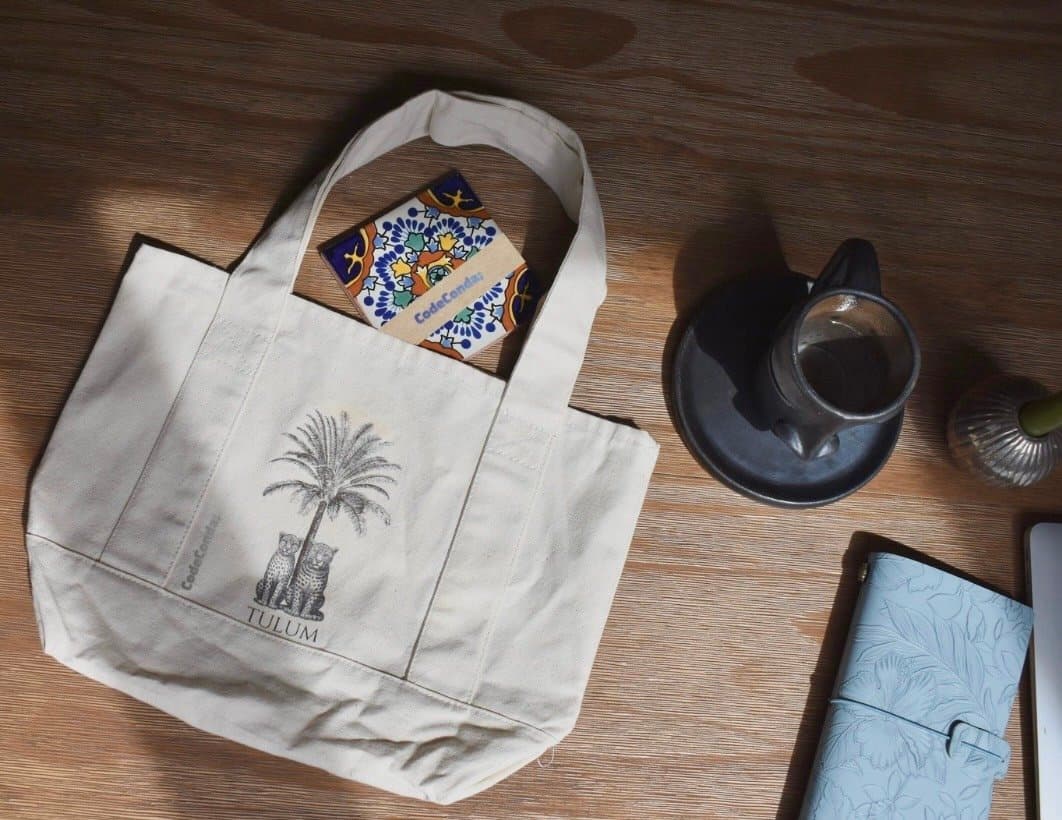
- sourcing branded touches, welcome bags, and local details
- concepting a signature reception dinner, including the decor, menu, and atmosphere
This idea also shows up clearly in Studio Jac’s post, The Making of a Memorable Brand Experience, where they make the case that seamless execution is not enough. What people remember is not simply that something ran on time, but how it felt, and whether that feeling was intentional. Their distinction is useful: planning is logistical, design is about meaning.
That was exactly our experience. The success of the retreat was not just about whether each element worked. It was about whether the overall experience felt coherent, elevated, and true to the team.
What our Tulum retreat actually looked like
Studio Jac’s writeup of the retreat highlights the overall structure well. The schedule balanced enough structure to create momentum, with enough flexibility to keep the trip from feeling over-programmed. That balance is one of the hardest things to get right in team offsite planning. Too much structure and people feel managed. Too little and the retreat loses shape.
The activities Studio Jac summarizes from the retreat included:
- a welcome dinner with a private mezcal tasting
- morning wellness experiences, including beachside yoga
- dedicated spaces for team discussions
- cultural excursions, including a cenote visit
- a final evening reception designed to feel intimate and celebratory
These details are worth calling out because they illustrate a broader point about corporate retreat planning. The goal is not to pile on activities for the sake of looking busy. It is to combine the right kinds of moments: connection, reflection, movement, conversation, celebration. When those elements are sequenced well, the retreat feels natural rather than forced.
Tulum was especially strong for this kind of mix. As Studio Jac’s Tulum guide points out, the destination is unusually well-suited to retreat design because it can support wellness, work time, food-focused experiences, cultural excursions, and memorable group activities within the same trip. The guide also surfaces the kinds of local experiences that make the place feel distinctive, including cenotes, mezcal tastings, beach clubs, and a strong dining scene.
Why on-site execution matters more than people think
A lot of retreat planning looks fine on paper and still falls apart in practice.
Timelines shift. People arrive late. Energy changes. Small gaps become visible. When nobody is actually responsible for the overall flow, leadership ends up absorbing the stress, which defeats part of the point of the retreat.
Studio Jac’s final phase is Realization, and in our case that meant they were on-site in Tulum to manage logistics, oversee setup, and keep everything running smoothly from arrival through departure. In the retreat case study, they describe the goal clearly: every moment should feel effortless for the team so people can be fully present.
That matched our experience. A big part of the value was not just the pre-planning, but having someone there who understood the full intention of the retreat and could protect that experience in real time.
Studio Jac includes a testimonial from me on both the CodeConda retreat case study and their Approach page, and it captures this part accurately: Jaclyn made everything feel easy on our side, stayed highly responsive, and planned the trip in a way that felt unusually aligned with our company.
What we learned about company retreat planning
Looking back, a few things stand out.
1. A retreat needs a real purpose
Without that, the entire thing risks becoming expensive motion. The strongest part of the process was defining what the retreat was for before deciding what it looked like. Studio Jac’s own framework starts there for a reason.
2. Location should support the outcome
Tulum was not interchangeable with anywhere else. The setting changed the pace, the energy, and the kinds of conversations the team had. A good retreat location is not just beautiful. It should make the intended experience easier to create. Studio Jac’s destination content is useful because it treats place as part of strategy, not decoration.
3. Flow matters as much as the individual activities
People remember how a retreat unfolds. That includes the transitions, the pacing, the mood shifts, and the balance between group time and breathing room. This is where experience design becomes very different from pure logistics. Studio Jac emphasizes this repeatedly across its site, from the homepage language about intentional programming and thoughtful details to the blog’s focus on memorable experiences.
4. Someone has to own the full experience
When retreat planning is fragmented across internal team members, details get covered but the experience can still feel uneven. What helped us was having one creative and operational partner responsible for the whole thing, from concept to execution. That is also how Studio Jac describes its role across the homepage, About, and Approach pages.
Who should consider working with Studio Jac
Based on our experience, Studio Jac makes the most sense for companies that care about more than simply getting a group from point A to point B.
If your team is remote or distributed, and you want the offsite to actually deepen relationships, improve team dynamics, and create real momentum, there is a strong argument for working with a partner who treats the retreat as an extension of the brand and culture.
That positioning is already visible throughout the Studio Jac site. The homepage frames the company as a creative partner for brands that understand every experience shapes perception. The About page emphasizes Jaclyn’s background in consulting, branding, and designing experiences that strengthen internal culture while expressing company values externally. And the Approach page makes clear that the work is about creative direction, experience design, and execution, not generic travel coordination.
That is not the right fit for every company. But for companies that want something more intentional and more representative of who they are, it is a compelling one.
Final thought, the best company retreats do more than get people in the same place
One thing Studio Jac says on its homepage stayed with me: the most compelling brands are not just built, they are experienced. After going through this process, that feels correct. A company retreat can be a logistical exercise, or it can be a meaningful expression of what a team is trying to build together.
Our retreat in Tulum worked because it was designed that way from the start.
If you are planning a retreat, offsite, or leadership gathering and want a partner who thinks beyond logistics, Studio Jac is worth looking at. You can start with their main company retreats and team offsites page, learn more about their approach to experience design, read their own writeup of the CodeConda Tulum retreat, explore their Tulum destination guide, or reach out directly through their contact page.